Iven Pharmatech focuses on turnkey project in pharmaceutical machine field for more than 18 years.
Language
Water is a fundamental component in many industries, but in pharmaceutical manufacturing, its purity and quality are paramount. The need for ultrapure water in drug formulation, cleaning, and various other processes cannot be overstated. Reverse Osmosis (RO) water treatment systems have emerged as a crucial technology in meeting these stringent requirements. If you want to understand why these systems are indispensable in pharmaceutical production, this article will take you through the essential aspects of RO water treatment and how it ensures safety, efficiency, and compliance within the sector.
Delving into the science behind pharmaceutical water reverse osmosis and exploring its application in pharmaceuticals will provide valuable insights to industry professionals and enthusiasts alike. Keep reading to discover the advantages, challenges, and future trends of RO water treatment systems in this highly regulated environment.
The Fundamentals of RO Water Treatment Technology
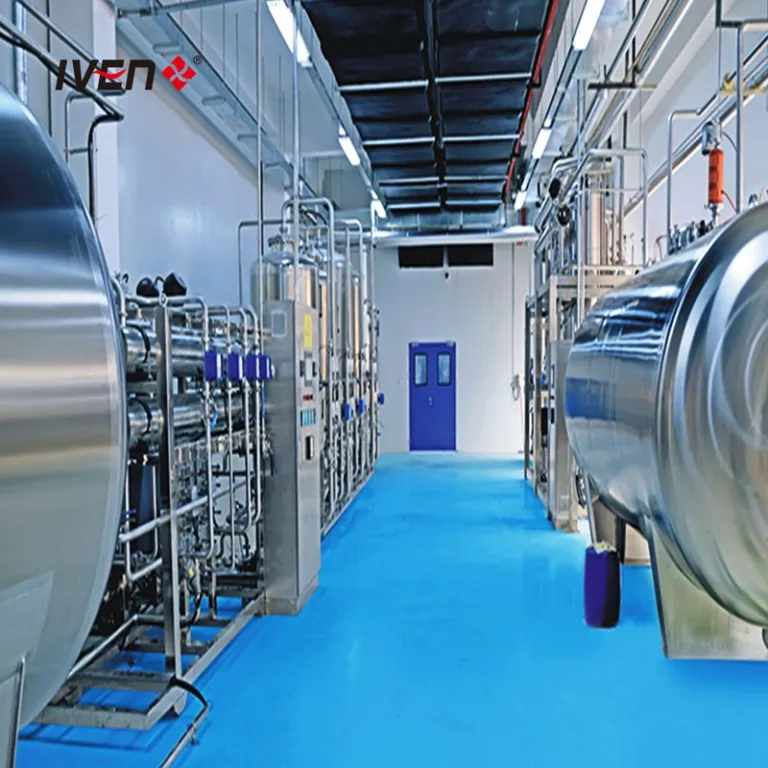
Reverse osmosis systems is a sophisticated water purification technique that removes a broad spectrum of contaminants by forcing water through a semipermeable membrane. At its core, this process separates dissolved solids, microorganisms, organic compounds, and other impurities, resulting in water that meets the highest standards of purity. The membranes used in RO systems have microscopic pores that allow only water molecules to pass, effectively filtering out substances like salts, bacteria, and pyrogens that could otherwise compromise pharmaceutical processes.
In pharmaceutical manufacturing, water quality standards are governed by guidelines such as those from the United States Pharmacopeia (USP) and the European Pharmacopeia, which demand low levels of Total Organic Carbon (TOC), particulates, microbial contaminants, and endotoxins. RO systems are designed and calibrated to meet or exceed these benchmarks, making them a cornerstone in producing purified water (PW) and highly purified water (HPW).
Besides the core membrane technology, RO water treatment also incorporates several pretreatment steps to enhance system performance and membrane longevity. These include sediment filtration to remove suspended particles, activated carbon filters to eliminate chlorine and chloramines, and water softeners to reduce hardness that might damage the membranes. Together, these steps create optimal conditions for efficient RO operation.
Moreover, RO systems are often integrated with additional post-treatment technologies—such as ultraviolet (UV) sterilization, deionization, or ultrafiltration—to achieve even greater purity levels. Clean and consistent water quality is vital since pharmaceutical products require water devoid of impurities that can lead to contamination, altered drug efficacy, or even patient harm.
Critical Role of RO Water in Pharmaceutical Manufacturing Processes
Water plays multiple roles in pharmaceutical manufacturing. It serves as an ingredient in formulations, a solvent for active substances, and a cleaning agent for equipment and manufacturing spaces. Therefore, the purity of water is directly linked to the quality and safety of pharmaceutical products.
RO water treatment systems ensure that the water used meets the specifications for different types of water designated in pharma settings—such as Purified Water used in non-sterile drug production or Water for Injection (WFI), which demands even higher purity levels. By delivering water free from microbial and chemical contaminants, RO technologies help maintain the integrity of drug compounds and the efficacy of sterile manufacturing processes.
For example, in tablet manufacturing, water may be used in granulation steps or to clean surfaces, so any impurities could introduce contaminants that compromise product consistency. Similarly, in injectables, the water quality must be near sterile to prevent harmful microorganisms from entering the bloodstream during patient administration.
Moreover, equipment used in pharmaceutical plants is routinely cleaned using high-quality water to prevent cross-contamination and biofilm formation. RO-treated water minimizes the risk of microbial growth and scale build-up, extending the life of machinery and reducing downtime.
RO systems also contribute to regulatory compliance by consistently providing water that meets pharmacopeial standards. Pharmaceutical manufacturers are subject to rigorous inspections and audits, and failures related to water quality can result in product recalls, loss of certifications, and reputational damage. RO water treatment systems thus form an integral part of Good Manufacturing Practices (GMP), supporting documentation and monitoring protocols.
Advantages of Implementing RO Water Treatment Systems
Implementing RO water treatment systems in pharmaceutical manufacturing offers numerous advantages that extend beyond just meeting regulatory standards. First and foremost, these systems provide a reliable and efficient method of producing ultrapure water essential for various pharmaceutical processes. The high removal efficiency of contaminants directly improves product safety and efficacy by reducing impurities that could interfere with drug formulations.
Another significant advantage is the operational cost savings achieved over time. Although initial investments may be substantial, RO systems typically consume less energy compared to other purification technologies like distillation. With proper maintenance, membranes have long lifespans, and automated monitoring systems can minimize manual intervention, which lowers labor costs. Additionally, advancements in membrane technology have significantly improved the flow rates and contaminant rejection, leading to higher water recovery and reduced wastage.
RO water treatment is also environmentally favorable. By reducing chemical use associated with traditional water purification methods, it lowers the environmental footprint of industrial ro water treatment plants. The decreased need for consumables like resin in ion-exchange systems or energy in thermal processes means a more sustainable approach to water management.
Furthermore, the modular design of many RO systems allows scalability and customization to fit specific production needs. Whether a pharmaceutical facility is expanding or needs to comply with updated regulations, RO systems can be adapted with additional stages or integrated with other purification techniques.
Last but not least, the ability of RO systems to provide consistent water quality enhances the overall productivity and quality control within the manufacturing process. With diminished risk of contamination and fewer batch rejections, pharmaceutical companies can maintain better control over production timelines and costs.
Challenges and Maintenance Considerations of RO Systems in Pharma Settings
Despite their many benefits, RO water treatment systems present certain challenges that manufacturers must address to ensure optimal performance. One such challenge is membrane fouling, a phenomenon where particulates, biofilms, or scaling deposits accumulate on the membrane surface, reducing permeate flow and filtration efficiency.
Membrane fouling can arise from insufficient pretreatment of feed water or elevated microbial activity. To mitigate this, regular cleaning regimes—known as Clean-In-Place (CIP)—are essential. CIP involves chemical cleaning solutions that dissolve fouling materials without the need for system disassembly. Pharmaceutical plants must develop stringent cleaning protocols and monitor system parameters like differential pressure and flow rates to detect early signs of fouling.
Another challenge is microbial control. Since RO membranes remove bacteria by physical size exclusion but do not kill them, post-treatment steps such as UV sterilization or ultrafiltration are often necessary. If microbial control is insufficient, biofouling can occur downstream, compromising water quality. Routine microbial testing and sterilization cycles help maintain system hygiene.
System downtime during maintenance or cleaning activities can impact production schedules. Pharmaceutical manufacturers must balance maintenance frequency with operational demands, sometimes requiring the use of redundant or parallel RO systems to ensure continuous water supply.
Furthermore, monitoring and documentation are crucial in pharmaceutical environments. RO systems require sensors and automation to track water quality parameters in real time, including conductivity, TOC levels, and microbial counts. Integration of this data into manufacturing execution systems supports compliance with regulatory audits and facilitates swift response to any deviations.
Finally, membrane replacement over time is inevitable. While membranes are durable, exposure to harsh chemicals or physical damage can shorten lifespan. Regular inspection and timely replacement help sustain filtration efficiency and reduce unplanned disruptions.
Future Trends and Innovations in RO Water Treatment for Pharmaceuticals
The pharmaceutical industry continues to evolve, and so does the technology surrounding RO water treatment systems. One prominent trend is the integration of advanced monitoring and control technologies powered by artificial intelligence (AI) and the Internet of Things (IoT). These innovations enable real-time predictive maintenance, automated parameter adjustments, and enhanced data analytics, resulting in higher system reliability and reduced operational costs.
Nanotechnology is also beginning to influence membrane development, offering membranes with higher permeability, selectivity, and fouling resistance. Such membranes can improve recovery rates and decrease cleaning frequency, optimizing resource usage and sustainability.
In response to rising environmental concerns, there is a growing focus on water reuse and recycling within pharmaceutical plants. RO systems are being designed to function within closed-loop water circuits, treating and re-treating process water to minimize freshwater consumption. This circular water management approach supports corporate social responsibility goals and regulatory requirements for sustainability.
Another innovation lies in hybrid purification systems that combine RO with emerging technologies such as forward osmosis, membrane distillation, and advanced oxidation processes. These combinations aim to achieve superior water purity levels while addressing specific contaminant challenges unique to pharmaceutical manufacturing.
Lastly, regulatory frameworks are adapting to accommodate new purification technologies while maintaining product safety standards. Collaboration between equipment manufacturers, pharmaceutical companies, and regulatory agencies ensures that RO systems remain compliant and effective in the face of evolving manufacturing practices.
In sum, these future trends promise to enhance the efficiency, sustainability, and robustness of RO water treatment systems, solidifying their role as an essential component in pharmaceutical manufacturing.
To summarize, pharmaceutical reverse osmosis system water treatment systems are vital in pharmaceutical manufacturing due to their ability to deliver ultrapure water that meets rigorous quality standards. Understanding the fundamentals, applications, advantages, and maintenance challenges of these systems helps stakeholders optimize their use and ensure compliance with regulatory demands. As technological advancements continue to reshape water treatment, RO systems will remain at the forefront, supporting the development of safe and effective pharmaceutical products worldwide.
By embracing innovations and best practices, pharmaceutical manufacturers can harness the full potential of RO water treatment to improve product quality, operational efficiency, and environmental stewardship. As the industry advances, continual investment in water purification technology will be indispensable in meeting both current and future challenges in drug manufacturing.

